
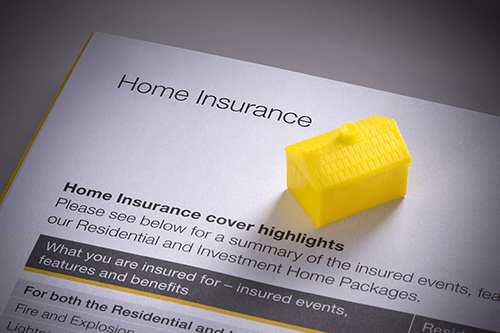
KNOWING HOW MUCH INSURANCE TO BUY.
How much is too much or too little? You are more likely to not have enough than too much. Knowing how to protect your valuables with renters/homeowners’ insurance will help you understand how much you should have.
HAVING PROPER HOMEOWNER’S/RENTER’S INSURANCE
Knowing how to protect your valuables with renters/homeowners’ insurance is important. Suppose someone visiting you gets hurt, or their property destroyed, you may be financially liable. The same holds true if you have a dog that bites someone. Renter’s insurance can also provide the money you need to find another place to live.
How much would it cost to find a place to live, and have it furnished, especially if you live paycheck to paycheck? Knowing how to protect your valuables with renters/homeowners’ insurance can provide financial relief. It can help with the cost of a place to live, paying for medical care, or replacing damaged property.
For standard coverage it might be around 20 dollars. If you own less than standard it could be less per month. If you went on vacation and brought your laptop and it was stolen, you would likely be covered, minus your deductible.
WHAT MANY INSURANCE AGENTS DON’T DISCUSS.
Homeowners need to be aware of the increased values of their home over time. Your home’s market value includes the land, but your insurance needs to cover the cost to rebuild the house, not the land, and that cost goes up as construction prices rise.
When I moved in with my uncle to help care for him in his later years, I was looking over his insurance policies and noticed he was underinsured for his homeowner’s insurance.
If there was a fire causing a total loss and he needed to rebuild, he would have had to build a much smaller house, because of inflation costs.
There is also something called “inflation guard” that might be available. Inflation guard protects the insured from the cost of inflation when construction prices increase. You will have to ask for it. Most agents won’t bring it up. This is why understanding your homeowner’s and renter’s insurance is important.
CONSIDER THE VALUE OF YOUR POSSESSIONS.
Let’s say you are covered for inflation but there is a natural disaster and costs of materials increase because of the demand during this crisis. Inflation guard may not fully cover that cost, but extended replacement cost coverage can help, usually up to a set percentage above your dwelling limit.
What insurance do you have for your possessions? Are you insured for replacement cost or actual cash value? Or do you even know? If it’s actual cash value, then everything in your home that was destroyed would be the cost to replace or repair it and then subtracting the depreciation.
The replacement cost would not depreciate the property that was destroyed.
If your home becomes temporarily uninhabitable because of damage your policy covers, most homeowners and renters policies already include additional living expenses (loss-of-use) coverage to help pay for somewhere to stay. Most flood policies through the National Flood Insurance Program don’t include it. Factor in what rents or hotel rooms are in your area.
Homeowners that want to protect the home and not factor in depreciation should choose replacement cost.
Maybe the natural disaster wasn’t total, maybe the electricity went out and all your food spoiled; some policies cover that, but only in certain situations and sometimes only up to a small limit, so check yours.
Many natural disasters, like fire, lightning, windstorms and hail, are covered by a standard policy, but flood and earthquake are not. For flood you need a separate flood policy, and earthquake coverage is sold as a separate policy or an add-on. In coastal areas, wind and hail are often left out too, so check your policy.
OTHER CONSIDERATIONS WHEN BUYING HOMEOWNER’S AND RENTER’S INSURANCE
Certain dogs that have a reputation of being aggressive may not be covered if they bite someone. Check your insurance.
If all your possessions and assets are valued beyond 500k you might consider having umbrella insurance. It’s inexpensive.
If you enjoy hosting parties at your home or cookouts with family and friends, you might want to raise the medical payments coverage on your policy in case someone gets hurt.
Insurance companies can charge early termination fees. When looking for insurance, pay attention to early termination fees and other hidden fees.
Some states in the U.S. can base your premiums on your credit score.
One insurance that I got rid of as soon as I qualified was my Private Mortgage insurance (PMI).
PMI is usually required on a conventional loan when you finance more than 80% of the home’s value, that is, put down less than 20%. This is very common in rural areas where I lived. To cancel it, you ask in writing once your balance reaches 80% of the home’s original value. You also need a good payment history, to be current on your payments and to have no second mortgage, and you may have to show the home hasn’t lost value. It ends on its own when your balance is scheduled to reach 78% of the original value, as long as you’re current on your payments.
Be careful of quick settlements, they can be costly. You get paid quickly, so that the insurance company doesn’t have to pay as much as you are entitled to. They sound good, but good policies are usually the slowest to pay out.
These are the little things that get overlooked when purchasing insurance that can cost homeowners and renters dearly, especially those with moderate means. They are the least likely to recover from losses if they aren’t insured adequately.